From the Current Build
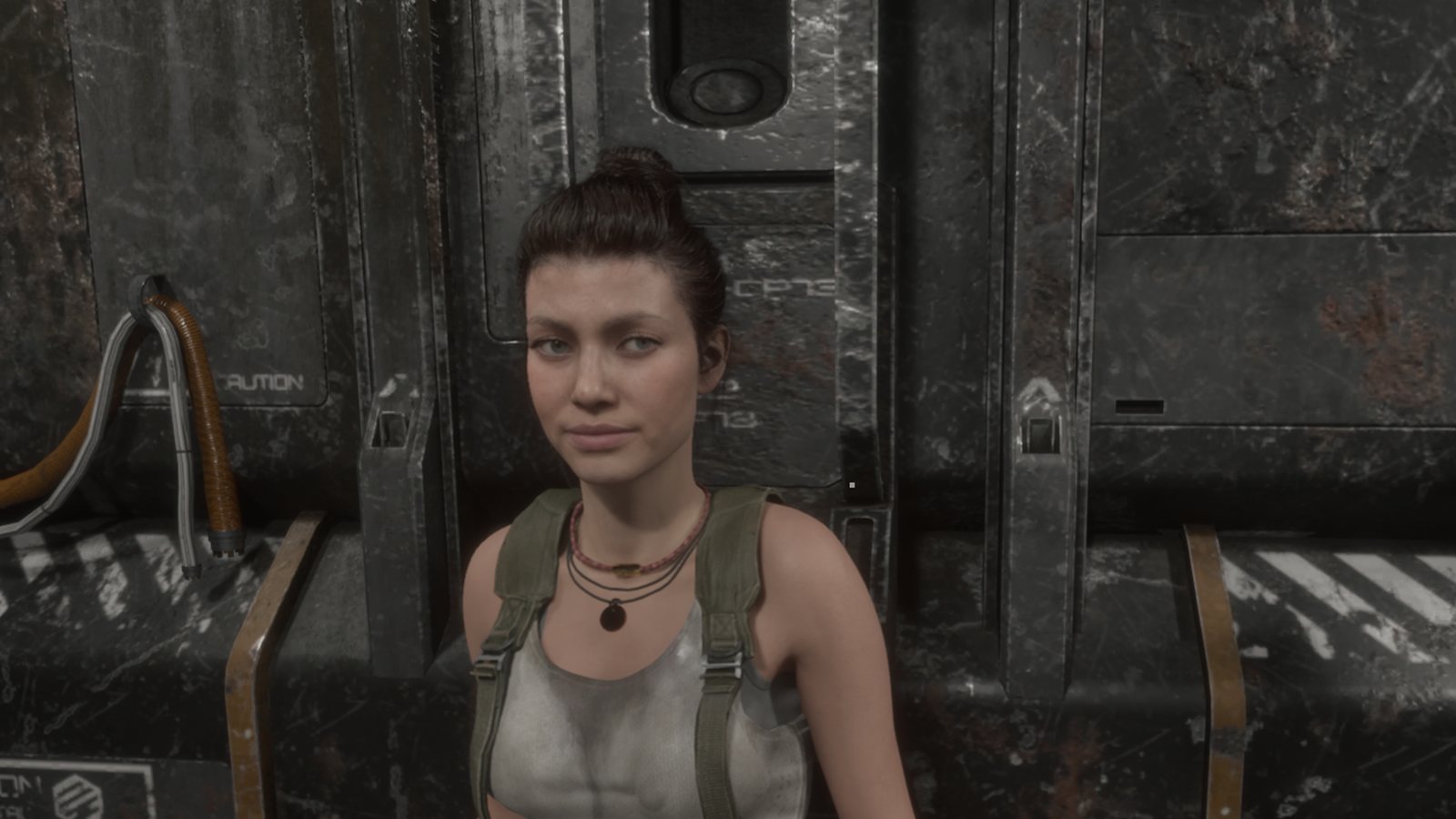
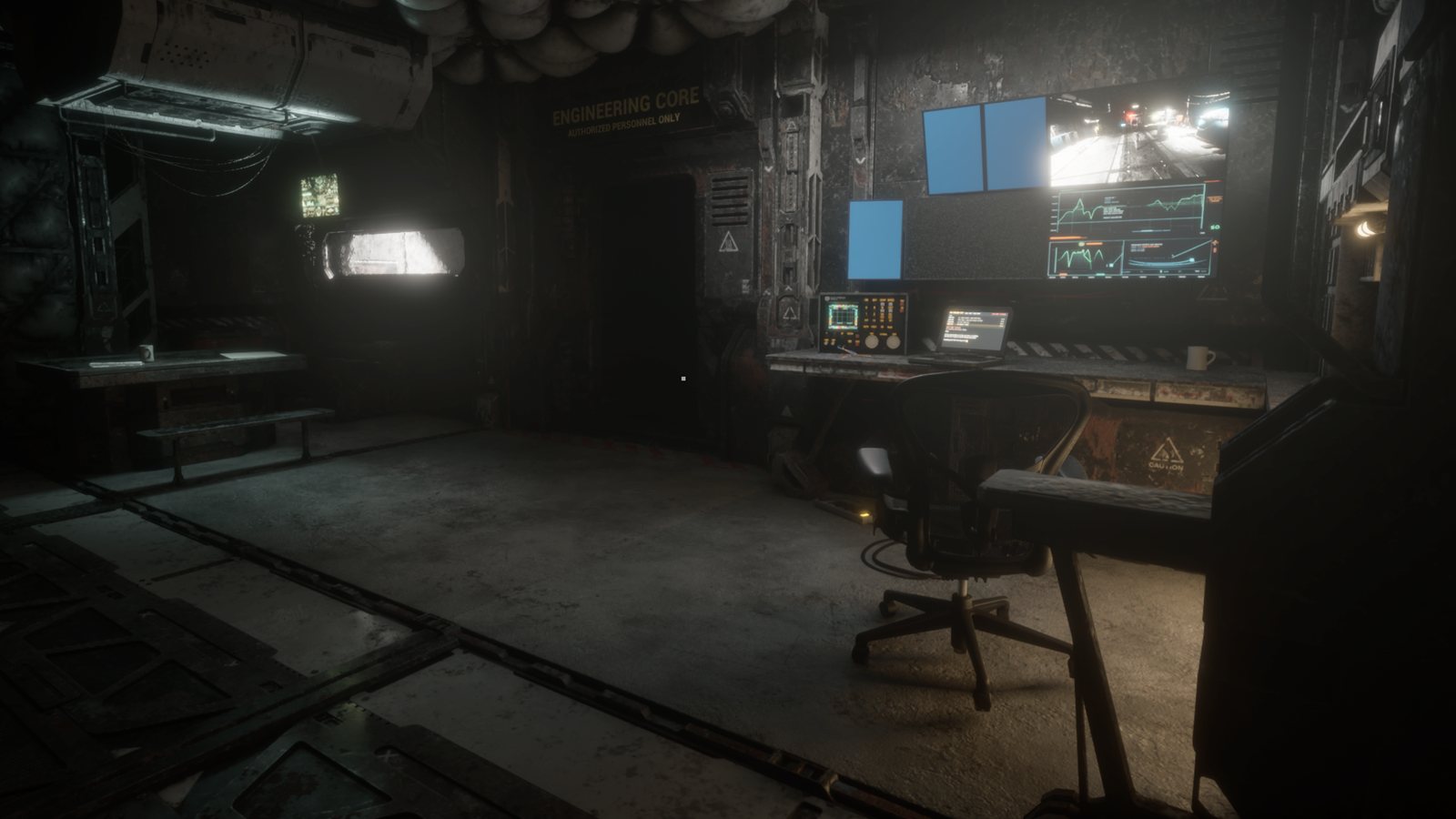
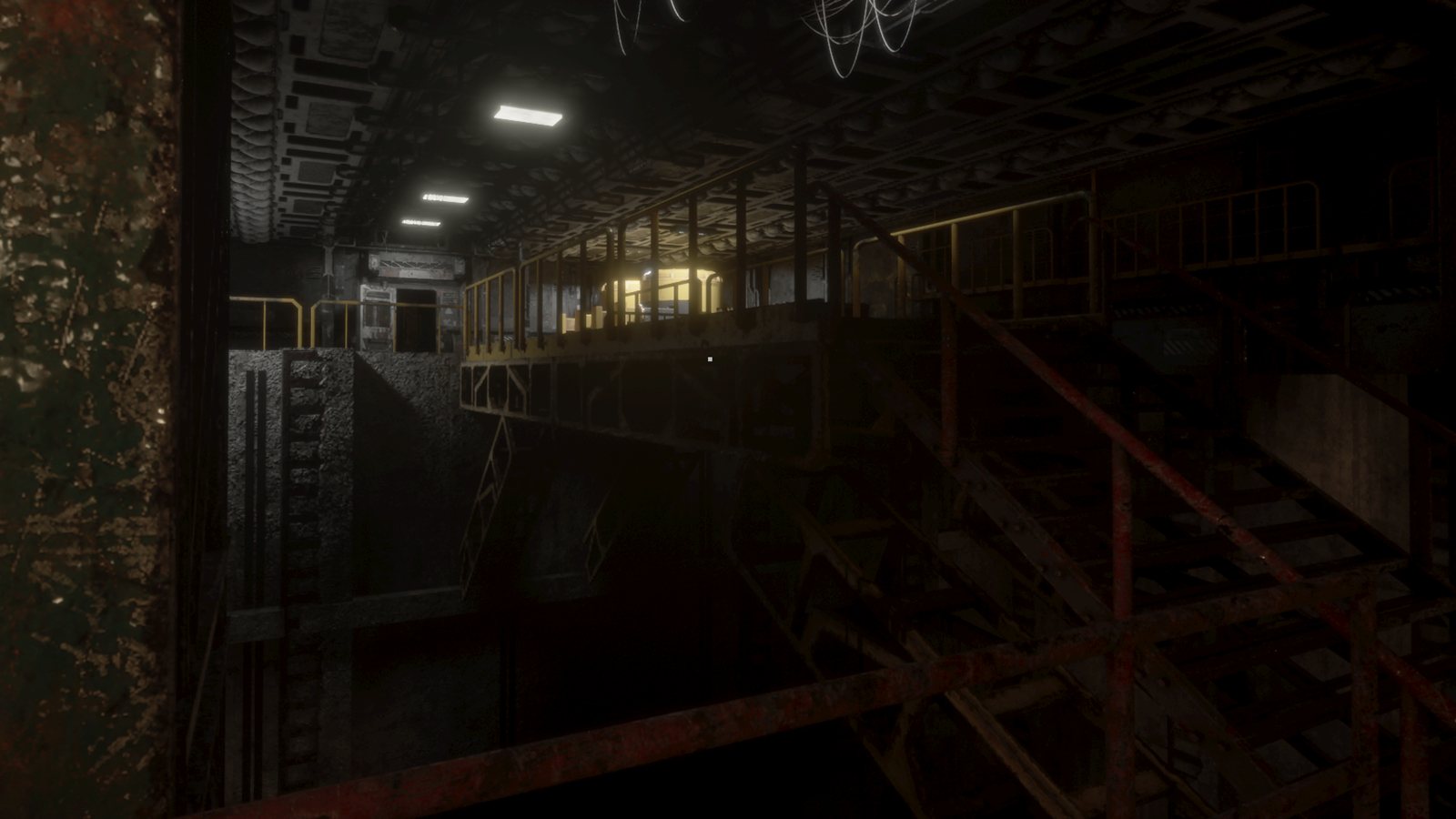
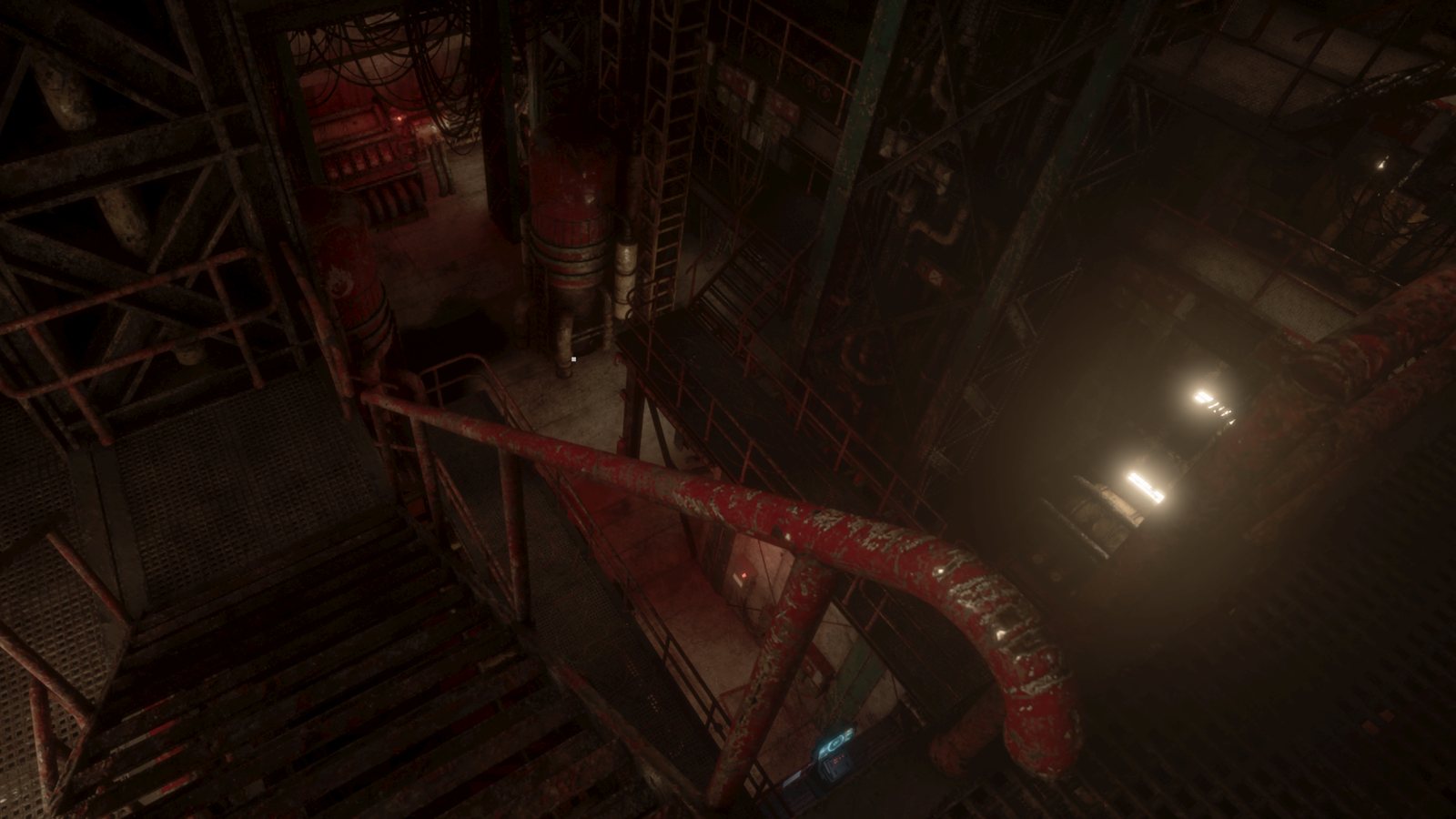
Work-in-progress gameplay screenshots. Explore a ship built for work, then follow the signs of what interrupted it.
A first-person sci-fi survival horror game. In development for PC.
2086. The first generation of experimental warp travel.
The deep-belt mining vessel HCV Proserpina lost external communications during a classified drive trial.
Your assessment was scheduled for three days after an eight-person security team’s arrival. Neither the ship nor the team has made contact.
You are the lone incident assessor. Your orders remain unchanged: board, account for the personnel, and establish what happened.
Once aboard, you find working lights, unfinished jobs, and crew records that no longer agree.
START WITH WHAT THEY LEFT BEHIND.
Work-in-progress gameplay screenshots. Explore a ship built for work, then follow the signs of what interrupted it.
Rewind security footage. Compare messages with the rooms they came from. Follow the crew’s unfinished work and build an account of who is still aboard. No objective markers. No minimap.
Trace failed circuits, isolate leaks and bring machinery back online. Find the tools, access cards and components that open another part of the ship—and another part of the investigation.
Fight to create an opening. Break contact before you are cornered. Learn the passages, ladders and maintenance routes that can keep you alive.
An in-universe chronology, 2026–2086. Sixty years of discoveries that worked, and a growing distance between verification and understanding.
Before the crewed trial, uncrewed tests returned intact. Independent instruments agreed. The precautions were built on those results.
The summer of conjectures: problems open for decades fall in a ten-week window, one announced during a football final. Proofs pile up faster than anyone can read them. "Once the machines started, there is no point anymore."
Another major mathematical conjecture closed by machine proof. The verification was also automated. "No single person can validate it end to end. That's what the verification systems are for."
The Delacroix Interchange fails in a storm. Operators cannot run the system in a degraded state; restarting it by hand takes four days. The inquiry accepts the certified design. "Certification attaches to the certificate."
The Kyoto tapes: a practical superconductor family, found by a materials model at temperatures nobody predicted. "We've stopped asking why it works, and started asking how much."
A certified autonomous unit costs the equivalent of eleven years of crew employment. The belt lines hire people. "Cheaper, insurable, and self-replacing."
The Aldermont study closes after twelve years. Its subject: anomalous cognition. Its finding: effects "above chance, below use." Funding not renewed.
Result MR-55-0917 establishes a traversable metric under its stated assumptions. Independent verifiers accept the proof. Physical validation remains experimental.
Keel laid: HCV Proserpina, deep-belt mining vessel. Nothing special.
Deep-space medical certification adds a cognition-profile item. The form does not say what it screens for.
Proserpina selected for systems modernization. Among the filings: a drive-systems integration, contractor unlisted. Eighteen berths posted.
Trial window opens. Last external telemetry: August 16.
Follow development on Discord: build footage, investigation scenes, ship systems and progress from the current PC build. Watch the game take shape and discuss what you find.
Join the Discord